


I’ve been in the analytics and consulting industry for nearly 15 years. I started at an agency populating canned media reports (as canned as they could be with inconsistent input data 😵💫), where my job was to refresh data feeds, update visuals, and fill in that blank white text box labeled ‘insights’ with whatever observations I could make.
Learning to think like my clients and populate that insights box with analysis that actually mattered was a formative skill. It instilled in me a service-led approach where I needed to put myself in their shoes to help drive better decisions. To this day, I can immediately spot lazy analysis (mere regurgitation of statistics) versus the thoughtful work that considers audience and business context.
Though I no longer work as an analyst, many of my engagements still involve reporting or dashboard components. Organizations have more data than they know what to do with, and getting the relevant bits summarized for decision makers remains a persistent challenge. The common approach has been building ‘self-service’ dashboards and driving ‘data democratization’—which comes from good intentions. I’m all for getting data into people’s hands, but the problem is that a dashboard doesn’t replace an analyst. Real insights emerge from an understanding of complex data sources, their real-world significance, and the surrounding business context—not just from tweaking dashboard variables.
Analytics teams consistently struggle to provide the white-glove service that executives expect. “Standard” dashboards get bogged down with one-off views, while everyone below VP-level is often left to fend for themselves, typically defaulting to Excel for anything beyond surface-level analysis.
The Anatomy of an Insight
Why are true insights so much easier said than done?
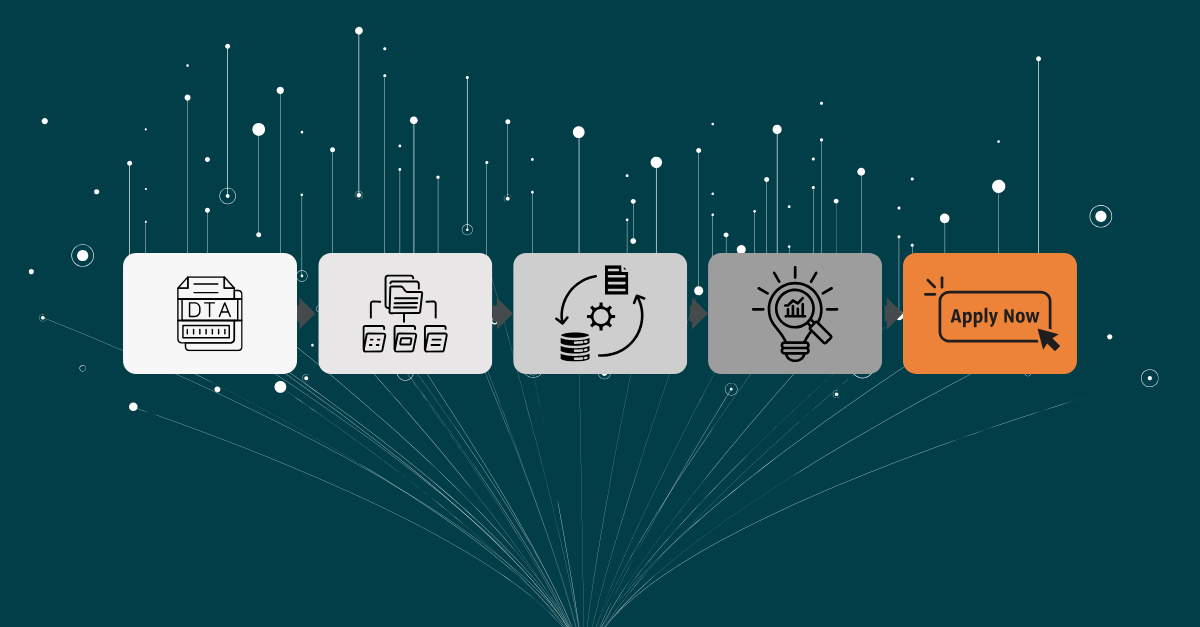
The main reason is they emerge from a chain of value-adding activities that build upon each other. While some steps can be automated, many require iterative cycles of questions and responses. Good analysis means diving deep and then coming back up for air—running through dozens of small investigations and hypotheses before the data finally reveals what’s actually happening. And all of this has to happen within the business context where these insights will ultimately matter. This is the critical mining and framing steps done by analytical teams today.
This value chain can be visualized by the diagram below:

If any part of the value chain is disrupted, an insight isn’t worth much. Historically, standardized and automated reports seek to stabilize the first 2-3 steps, but the real value-add is in the knowledge base that good analytical teams or business users have about the data sources (and how they represent real life), and the context in which insights drive real business decisions.
The last three stages are fuzzy and imprecise, and couldn’t be automated… until recently.
The AI Evolution: From Chatbot to Teams of Agents
The value of insights comes from a process that seemed impossible to automate: hypothesis formation, exploration, trial and error, and deep understanding of both data limitations and business context. How could AI possibly replicate the intuitive way good analysts connect dots and understand what matters to decision-makers?
My thinking on AI workflows has evolved dramatically. I initially imagined a future with all-purpose AI super-employees—just ask the Chatbot to analyze something, and it would handle everything end-to-end. That seemed theoretically possible but years away from practical implementation.
What I’ve discovered instead is much more exciting and immediately actionable: teams of specialized AI Agents work better, just like human teams do. By creating AI systems with distinct, complementary roles—some focused on business understanding, others on technical analysis—we can now simulate the key value-add steps that analysts and business users traditionally perform after initial reports are generated.
 Every organization wants more from their data, but the bottleneck has always been scaling high-quality analysis. The white-glove analytical service that executives receive simply couldn’t extend to everyone—until now. With AI agentic teams, we can automate the entire insight generation process: asking contextually relevant questions, probing datasets from multiple angles, and developing hypotheses with supporting evidence that directly connects to individual decision-makers’ needs.
This approach democratizes analytical support across the organization. Imagine every manager and director having their own dedicated analyst who understands their specific challenges, asks the right questions, investigates thoroughly, and delivers insights tailored to their unique needs. No more digging through standardized reports for buried data points or making decisions without proper analytical backing.
 The key is building specialized AI agentic teams rather than relying on a single all-purpose model. When multiple AI agents with defined roles work together—mirroring human analytical teams—and we automate their collaborative workflow, we’re recreating how insights have traditionally emerged from the best analytics teams. Add in the ability to reference strategic objectives at different organizational levels and adopt company-specific language, and you’ve transformed the entire analytics paradigm.
The first iterations won’t be perfect—let’s be realistic. Even if these AI teams initially deliver only 50% of what top human analysts can, the scale potential is revolutionary. Previously, providing dedicated analytical support to every decision-maker was financially impossible. Now we have a scalable approach with AI agents continuously investigating business questions across the organization. And honestly, even at 50% capability, that’s still more analytical support than most people have today—especially those stuck with rigid reports that don’t fit their specific needs and no time in their schedules for deeper investigation.
In Closing
First movers in this AI-powered insight generation space will have a distinct competitive advantage. The real challenge won’t be the technology itself, but navigating organizational red tape and aligning stakeholders to a new approach in data-driven decision making.
At Transparent Partners, we’re actively building solutions that create these AI insight teams – combining domain expertise, data understanding, and strategic context to deliver personalized insights at scale. We’re turning the traditionally expensive “white glove” analytics experience into something accessible to decision makers at all levels.
Whether you’re drowning in dashboards that don’t quite answer your questions, struggling to scale your analytics function, or simply curious about what’s possible with these new approaches, I’d love to connect. Reach out to discuss how we might help your organization move beyond self-service to strategic AI teams that deliver insights that matter.
Oliver Amidei, VP of AI Solutions


